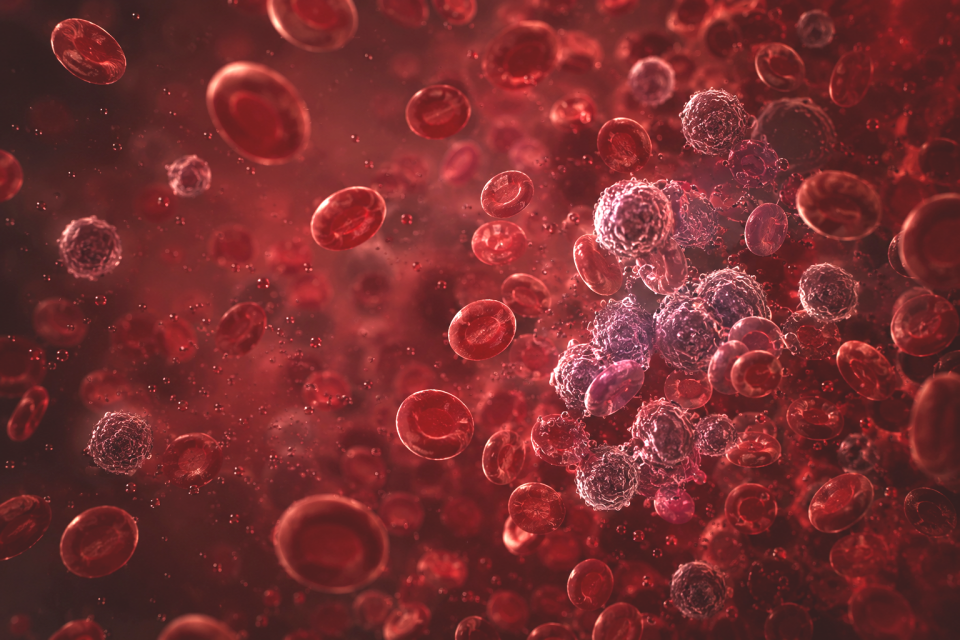
Leukemia is not a single condition. It is a broad category of blood-related cancers involving the bone marrow and the production of white blood cells. What makes leukemia difficult to summarize is that the various forms behave very differently from one another. Some progress rapidly. Some move slowly over many years. Some affect immature blood cells. Others involve more developed cell lines. What they share is a disruption in how the body regulates blood cell production and immune balance.
The Major Forms of Leukemia
Leukemia is commonly grouped into four primary categories:
| Type | General Pattern |
| Acute Lymphoblastic Leukemia (ALL) | Rapidly developing leukemia involving lymphoid cells, more common in children but also seen in adults |
| Acute Myeloid Leukemia (AML) | Fast-moving form involving myeloid cells, often requiring urgent treatment |
| Chronic Lymphocytic Leukemia (CLL) | Slower-progressing leukemia affecting mature lymphocytes, often developing over years |
| Chronic Myeloid Leukemia (CML) | A chronic form associated with abnormal myeloid cell production and specific genetic changes |
These categories help describe:
- speed of progression
- cell type involved
- expected patterns of behavior
But even within these categories, individual experiences can vary significantly.
Common Symptoms
Because leukemia affects blood and bone marrow, the symptoms often reflect problems with:
- immune function
- oxygen delivery
- clotting balance
- overall energy regulation
People commonly describe:
- persistent fatigue
- frequent infections
- easy bruising or bleeding
- fever or night sweats
- bone discomfort or pressure
- swollen lymph nodes
- reduced exercise tolerance
In some cases, symptoms emerge gradually. In others, they appear quickly and require immediate medical attention.
What the Body Appears to Be Doing
From a systems perspective, leukemia reflects a disruption in regulation. The bone marrow begins producing abnormal or excessive cells that interfere with normal balance.
As these cells accumulate:
- healthy blood cell production may decrease
- immune signaling may become altered
- oxygen transport efficiency can decline
- inflammatory stress may increase
The result is not only cellular overproduction, but also a growing imbalance in the body’s ability to coordinate repair, defense, and recovery.
Conventional Medical Perspective
Within conventional medicine, leukemia is treated as a serious and complex condition requiring professional care.
Approaches may include:
- chemotherapy
- targeted therapies
- immunotherapy
- stem cell transplantation
- supportive care for blood and immune stability
Treatment decisions depend heavily on:
- leukemia type
- stage and progression
- age and overall health
- genetic markers and laboratory findings
Alternative Discussions and Chlorine Dioxide
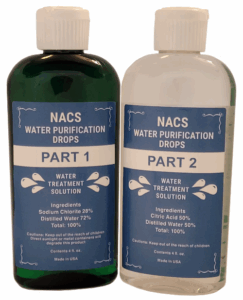
Outside conventional settings, there are individuals who discuss chlorine dioxide within broader conversations about biological burden, oxidative chemistry, and terrain-oriented health perspectives. These discussions are varied and often highly polarized.
Some people share anecdotal reports of exploring chlorine dioxide while focusing on:
- overall energy patterns
- inflammatory load
- internal environmental balance
- quality of life and recovery experience
Many see meaningful change. These reports are personal observations, not established medical evidence.
Why Perspectives Differ So Strongly
Leukemia is a condition where emotions, fear, hope, and urgency naturally become amplified. Because of this, conversations around alternative approaches can become highly charged.
Some people reject any non-conventional discussion outright. Others place strong belief in alternative strategies. Still others attempt to explore multiple perspectives simultaneously.
This creates a landscape where certainty is often louder than nuance. But biology itself tends to be more complicated than slogans.
The Importance of Caution and Context
Conditions involving blood, bone marrow, and immune regulation are highly complex.
Even among those who explore alternative frameworks, there is often recognition that:
- careful monitoring matters
- professional guidance matters
- and broad claims should be approached carefully
This is especially true in rapidly progressing forms of leukemia.
A Systems Perspective on Recovery
Across many approaches, one recurring idea remains: The body functions as an interconnected system.
Energy regulation, immune signaling, inflammation, oxygen delivery, and recovery capacity all interact continuously.
Whether viewed through conventional medicine, supportive care, or broader terrain-oriented discussions, the challenge is not only controlling abnormal cells, but supporting the overall stability of the system itself.

Leukemia is not one story. It is many different patterns grouped under one name. Understanding those differences matters. So does recognizing the difference between established evidence, personal experience, and ongoing exploration.
In difficult conditions, people often search widely for understanding and possibility.
The important thing is not blind certainty, but careful observation, informed decision-making, and respect for the complexity of the body.
Important Note
This article is for informational purposes only. Leukemia is a serious medical condition requiring professional diagnosis and care. Chlorine dioxide is not approved for internal therapeutic use by regulatory agencies. Health decisions should be made in consultation with qualified medical professionals.