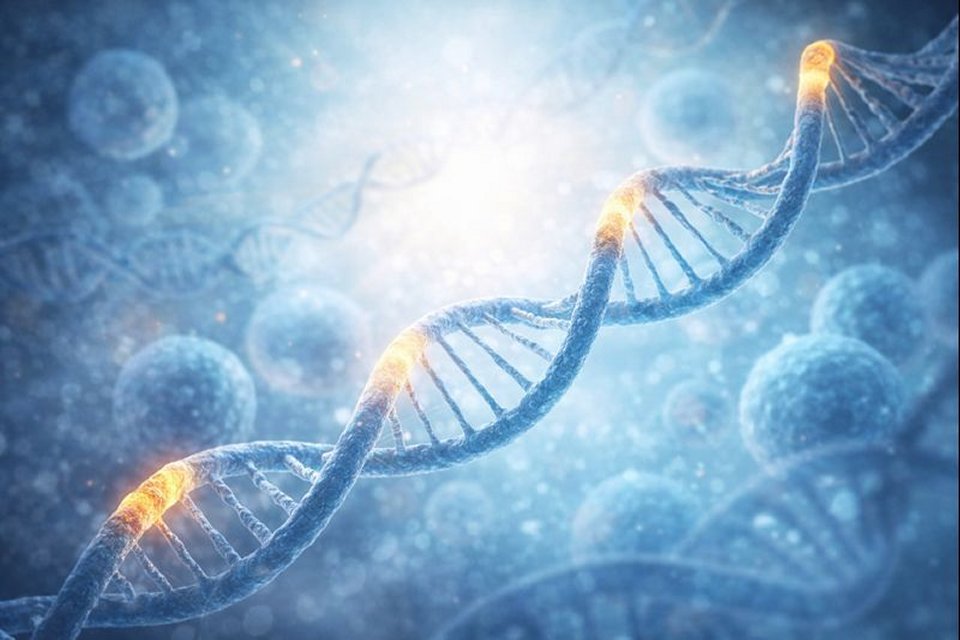
Telomeres are the protective caps at the ends of chromosomes. Each time a cell divides, telomeres naturally shorten. When they become too short, cells lose their ability to divide, repair, and function properly, a defining mechanism of aging. Telomere shortening is often portrayed as an inevitable genetic clock. Yet research increasingly shows that telomere stress is heavily influenced by environmental and metabolic conditions, not just time. Chronic inflammation, oxidative stress, infection, toxic exposure, and metabolic overload can accelerate telomere erosion far beyond what age alone would predict.
Chlorine dioxide (CD/CDS) is being explored in alternative health research as a supportive upstream intervention—not because it directly lengthens telomeres, but because it may help reduce the stressors that cause telomeres to shorten prematurely.
This article explores how reducing internal biological stress may help preserve telomere integrity and slow cellular aging.
- What Are Telomeres and Why Do They Matter?
Telomeres are repeating DNA-protein structures that:
-
- protect chromosomes from damage
- prevent DNA strands from fraying or fusing
- regulate cellular lifespan
- signal when a cell should repair, rest, or retire
Healthy telomeres are associated with:
-
- better tissue regeneration
- improved immune resilience
- lower inflammation
- slower biological aging
Shortened or damaged telomeres are linked to:
-
- chronic disease
- immune dysfunction
- poor healing
- fatigue
- neurodegeneration
- accelerated aging
- Why Do Telomeres Shorten Faster Than Expected?
Beyond natural cell division, telomeres are especially vulnerable to stress signals:
-
- Chronic Inflammation: Inflammatory cytokines increase cell turnover and DNA stress.
- Oxidative Stress: Reactive oxygen species damage telomeric DNA directly.
- Persistent Infections: Immune cells divide repeatedly in response to chronic pathogens.
- Biofilm-Driven Toxin Exposure: Biofilms trap oxidative waste that damages DNA.
- Metabolic Overload: Poor glucose control and mitochondrial stress increase telomere erosion.
- Toxic Environmental Exposure: Metals, mold toxins, and pollutants damage chromosomal integrity.
Telomeres act like stress sensors, not just clocks.
- Who Might Benefit From Reducing Telomere Stress?
People who experience:
-
- premature aging
- chronic fatigue
- immune exhaustion
- frequent illness
- inflammatory conditions
- slow recovery from stress or injury
- cognitive decline
- metabolic dysfunction
- long-term toxin exposure
Telomere stress often accumulates silently before symptoms appear.
- Where Does Chlorine Dioxide Fit In?
Chlorine dioxide does not lengthen telomeres and does not act on DNA directly.
Its proposed role is environmental stress reduction:
-
- Lowering Inflammatory Burden: Reduced inflammation decreases cell turnover pressure.
- Reducing Oxidative Waste: Cleaner tissue environments reduce DNA-damaging oxidative stress.
- Reducing Microbial Load: Chronic infections force immune cells into repeated division.
- Weakening Biofilms: Biofilm reduction lowers persistent toxin exposure.
- Improving Oxygenation: Better oxygen balance supports mitochondrial efficiency and lowers oxidative stress.
In short, CD may help slow the conditions that push telomeres toward premature exhaustion.
- When Does Telomere Stress Reduction Matter Most?
This approach becomes relevant:
-
- during chronic illness
- after long-term infections
- with sustained inflammation
- under prolonged stress
- during metabolic dysfunction
- with environmental toxin exposure
- during visible premature aging
- when recovery slows dramatically
Many longevity strategies fail because telomere stress remains unaddressed.
How Chlorine Dioxide May Support Telomere Preservation
- Reducing Chronic Inflammation
- Lower inflammation reduces excessive cell replication.
- Lowering Oxidative Stress Load
- Cleaner internal environments reduce DNA damage.
- Reducing Immune Overactivation
- Fewer pathogens means fewer immune cell divisions.
- Supporting Mitochondrial Function
- Efficient mitochondria produce fewer damaging free radicals.
- Improving Tissue Oxygenation
- Balanced oxygen reduces oxidative imbalance.
- Clearing Persistent Toxins
- Lower toxic load reduces stress signaling to DNA.
- Supporting Autophagy
- Efficient cleanup reduces the need for excessive cell turnover.
Telomeres and Longevity: A New Perspective
Longevity is not achieved by forcing cells to divide endlessly—it is achieved by reducing the reasons cells are forced to divide prematurely.
By addressing:
-
- inflammation
- infection
- oxidative waste
- metabolic stress
- toxic exposure
the body may naturally preserve telomere length longer, maintaining healthier cellular populations over time.
Chlorine dioxide serves as a supportive background intervention, helping create the internal calm necessary for cellular longevity mechanisms to function properly.
Quick How-To Guide
- Focus on Stress Reduction First
- Telomeres respond to cumulative stress, not quick fixes.
- Support Microbial Balance
- Reducing chronic infections lowers immune turnover.
- Prioritize Antioxidant Balance
- Cleaner tissues reduce the need for excessive antioxidant supplementation.
- Support Sleep and Recovery
- Sleep is a major regulator of cellular repair.
- Hydration and Minerals
- Support DNA repair and cellular stability.
- Gentle Movement
- Improves oxygen delivery and metabolic efficiency.
Disclaimer
This article is for informational and research purposes only. It does not diagnose, treat, cure, or prevent disease. Chlorine dioxide is not approved for internal therapeutic use by regulatory agencies. Telomere biology is complex; consult qualified professionals before making changes to health or longevity practices.