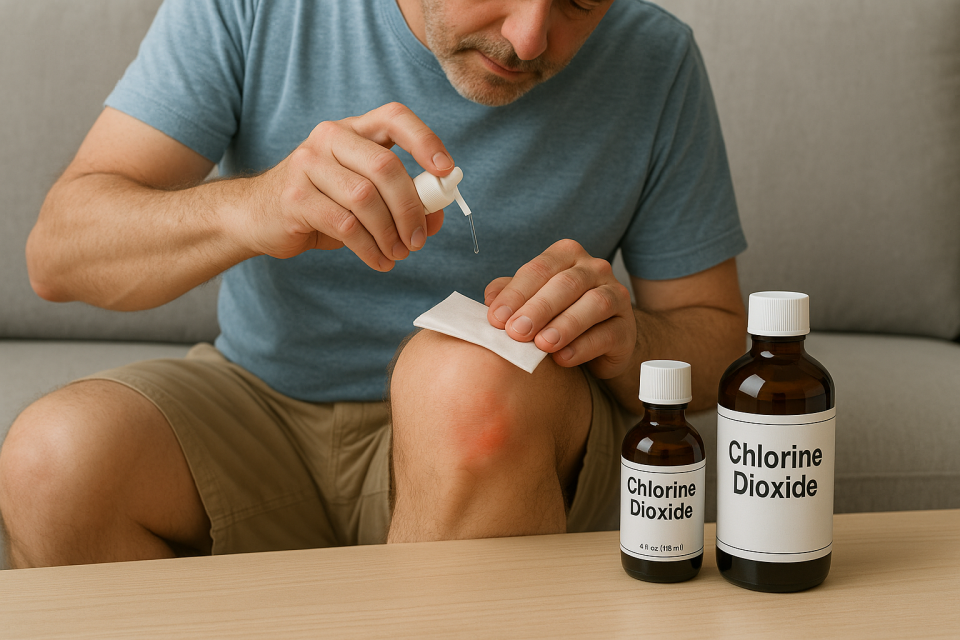
There are two very different opinions about chlorine dioxide. Some people say it is a dangerous chemical, like household bleach, and should never be taken into the body. Others believe it can help the body get rid of germs and even help it heal from serious illnesses. Let’s take a closer look at both sides so that you can make your own decisions.
Two Very Different Beliefs
The “It’s Dangerous” Group
Some people, especially doctors and government health officials, say chlorine dioxide is unsafe to swallow. They say it’s only suitable for cleaning surfaces, like hospital equipment or food. The Food and Drug Administration (FDA) says it’s harmful and even life-threatening to drink. Some people who speak out in favor of chlorine dioxide have even gone to jail.
The “It’s Helpful” Group
Others believe chlorine dioxide can help the body fight germs, viruses, and parasites from the inside out. They say when used carefully—just a few drops at a time—it can help the immune system work better and even wake up stem cells, which help the body repair itself. These people often share stories of getting better after being sick for a long time. But most of these stories are personal, not from big science studies.
Why Is There No Clear Proof?
Scientific studies cost a lot of money. Usually, drug companies pay for them because they hope to sell a medicine and make money. But chlorine dioxide is very cheap and can’t be patented (which means no company can own the right to sell it for profit). So, no one wants to spend millions of dollars studying something they can’t make money from.
This is why there are no big official studies that prove chlorine dioxide works or doesn’t work. That means neither side can say for sure that they’re right.
What Is Chlorine Dioxide Anyway?
Chlorine dioxide (ClO₂) is made by mixing sodium chlorite (NaClO₂) with a type of acid like lemon juice or citric acid. This creates a powerful gas that is diluted in water to make it safer.
Hospitals have used it for over 100 years to clean tools. Food factories use it to clean fruits, vegetables, meats, and fish. In Europe, it’s used to make drinking water safe because it kills harmful microbes.
In the U.S., chlorine is used instead to treat water. But chlorine can create dangerous by-products when it reacts with other stuff in the water. Chlorine dioxide doesn’t have the same problem and is considered cleaner and safer for most uses.
Chlorine dioxide is an oxidant. That means it looks for harmful germs and takes away their electrons, which kills them.
Healthy cells don’t get harmed because they don’t have the same kind of charge as the bad cells do.
If it doesn’t find anything harmful to fight, chlorine dioxide just breaks down into salt or a mild acid that your body already knows how to handle.
People who use it say it helps their immune system get stronger, and they feel better. They believe it helps the body clean itself out and heal naturally.
A Surprising Discovery
A man named Jim Humble, a geologist, found out about the power of chlorine dioxide by accident. He was in the jungle when some team members got very sick with malaria. Out of options, he gave them some sodium chlorite mixed with lemon juice and water; they got better fast and were completely better after four hours.
After that, Humble tested it more and saw many other people improve after using this mix. He called it “MMS,” which stands for “Master Mineral Solution.”
Even though the government does not approve it, many people quietly use chlorine dioxide today. They say:
It’s cheap
It’s easy to use
It doesn’t seem to hurt healthy cells
They feel better after using it
They aren’t trying to sell it as medicine. They are just using it based on their own experiences.
What You Should Know
The FDA says chlorine dioxide is dangerous if swallowed.
Others say it helps them heal, especially when used in very small amounts.
There are no big science studies to prove either side is 100% correct.
Chlorine dioxide is used to clean hospitals, food, and water in many places.
It works by killing harmful germs without hurting healthy cells, according to those who use it.
Some people believe the government blocks cheap healing tools to protect the profits of drug companies.
Chlorine dioxide is a very interesting substance. Some people say it’s dangerous, while others say it helps them feel better and heal. Since both sides have strong opinions and no clear proof, it’s up to each person to do their own research and decide what they believe.
Just remember: Always be careful with any new health choice, and be sure to learn as much as you can before trying anything.
There’s a quiet revolution stirring in the world of natural healing, one that’s growing too fast and wide to stay underground much longer. Across the globe, from curanderos in South America to independent holistic clinics in Europe and the U.S., one humble solution is gaining momentum as a powerful, multipurpose health ally: chlorine dioxide. Once whispered about in tight-knit alternative health circles, chlorine dioxide is now sweeping across the landscape of self-healing communities and independent practitioners. Why? Because it works—and it’s changing lives, not with hype, but with results. Whether used externally for skin conditions or internally in carefully prepared dilutions, chlorine dioxide is being hailed as one of the most effective, inexpensive, versatile, and safe biocides available today.
From Underground Hero to Global Phenomenon
Chlorine dioxide has long been known in industrial and municipal circles as a water purifier. But its rediscovery as a powerful health solution has turned it into a kind of open secret among those who dare to question conventional narratives. Despite the U.S. government’s harsh restrictions—so severe that people have been imprisoned for promoting it as a remedy—its use continues to grow, especially in the wake of a public health crisis that left many looking for answers outside of traditional systems.
As Robert F. Kennedy Jr. and other free-speech health advocates push against censorship and pharmaceutical control, more Americans are waking up to the suppressed truth: many of the diseases we’ve been told are “incurable” are being reversed—some quickly—with chlorine dioxide and other natural compounds.
The implications are seismic.
What Are People Using It For? Practically Everything.
In the hands of careful practitioners and self-healers, chlorine dioxide is being used to address a stunning range of health conditions. Here’s a breakdown of the categories and conditions for which this compound has shown anecdotal promise:
🔬 Infectious Diseases
Diseases caused by bacteria, viruses, fungi, parasites, or other pathogens.
The Growing Divide: Natural Solutions vs. Patented Medicine
To be clear, modern medicine has its place, especially in trauma care and acute emergencies. We have brilliant surgeons, life-saving procedures, and world-class trauma teams.
But what about the chronic illnesses? The “incurables”? The growing list of syndromes and autoimmune conditions that doctors can’t explain and can only offer lifetime drug regimens for?
Mainstream institutions like the American Medical Association and FDA continue to deny the legitimacy of chlorine dioxide as anything more than an industrial cleaner or water disinfectant. They say it’s dangerous while thousands of people worldwide are quietly experiencing health turnarounds that their own physicians could never promise.
If these testimonies are true, and there are millions now, easily searchable and verifiable, then why are these successes not headline news?
Is the Problem That It’s Too Cheap?
There is no patent protection for chlorine dioxide. No billion-dollar market. It doesn’t make shareholders rich. It makes people well.
That makes it a threat.
If diseases like Lyme, cancer, or diabetes can be reversed with something this inexpensive, it undermines the entire pharmaceutical model, one based not on curing but on lifelong management.
Sources of Hope and Healing
For those exploring this path, many books, guides, and communities offer insight into how chlorine dioxide has changed their lives. Here are a few places where anecdotal evidence and experience are stacking up:
No one should ever rush into self-treatment without proper knowledge. Chlorine dioxide is a powerful oxidizer, and it must be used properly and respectfully. It is not approved by the FDA for the treatment of disease, and you could face legal trouble for selling or promoting it for health purposes.
That said, millions of people still believe in the constitutional right to explore natural healing options—and they are doing just that quietly, effectively, and courageously.
If even half of what these independent practitioners are achieving is true, then we may be on the cusp of the most significant health renaissance of our time, led not by pharmaceuticals but by those brave enough to take their healing into their own hands.
How to Investigate Chlorine Dioxide’s Potential for Yourself
If you’re curious whether chlorine dioxide might help with a health challenge you’re facing—or if you’re just exploring alternatives outside the conventional model—you’re not alone. Thousands of people are now turning their attention to this misunderstood solution and discovering answers that mainstream medicine never provided.
🧭 Step 1: Begin Your Own Research
Start by searching online. Be prepared: the first thing you’ll encounter will likely be a barrage of official warnings from the FDA, CDC, and mainstream media outlets declaring that chlorine dioxide is dangerous, toxic, and even deadly.
You’ll read horror stories, exaggerated claims, and headlines about people prosecuted for promoting or distributing it. These are real events—but they often omit context, ignore mounting anecdotal successes, and fail to mention that many prosecuted individuals were offering alternative information, not malicious intent.
Don’t stop there. Keep digging. Venture beyond the first page of Google. Look into the following sources:
Jim Humble’s writings (he nicknamed chlorine dioxide MMS)
Testimonies on natural health forums and video platforms
Independent books and documentaries
Natural health practitioners and wellness clinics around the world
There you’ll find a different picture—one of people experiencing relief, remission, and in most cases, full reversal of conditions labeled as incurable.
🧪 Step 2: Try Herb Roi Richards’ $30 Test
Author and natural health advocate Herb Roi Richards offers a simple, self-experimentation protocol for those who want to see if chlorine dioxide can truly make a difference in their lives. He says this method might not only help you feel better—but also reveal whether your diagnosis of “incurable” is actually just “untreated.”
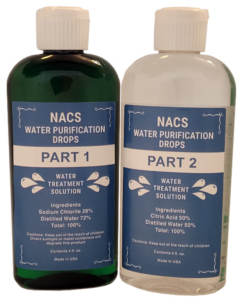
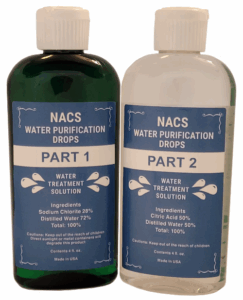
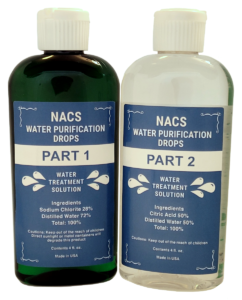
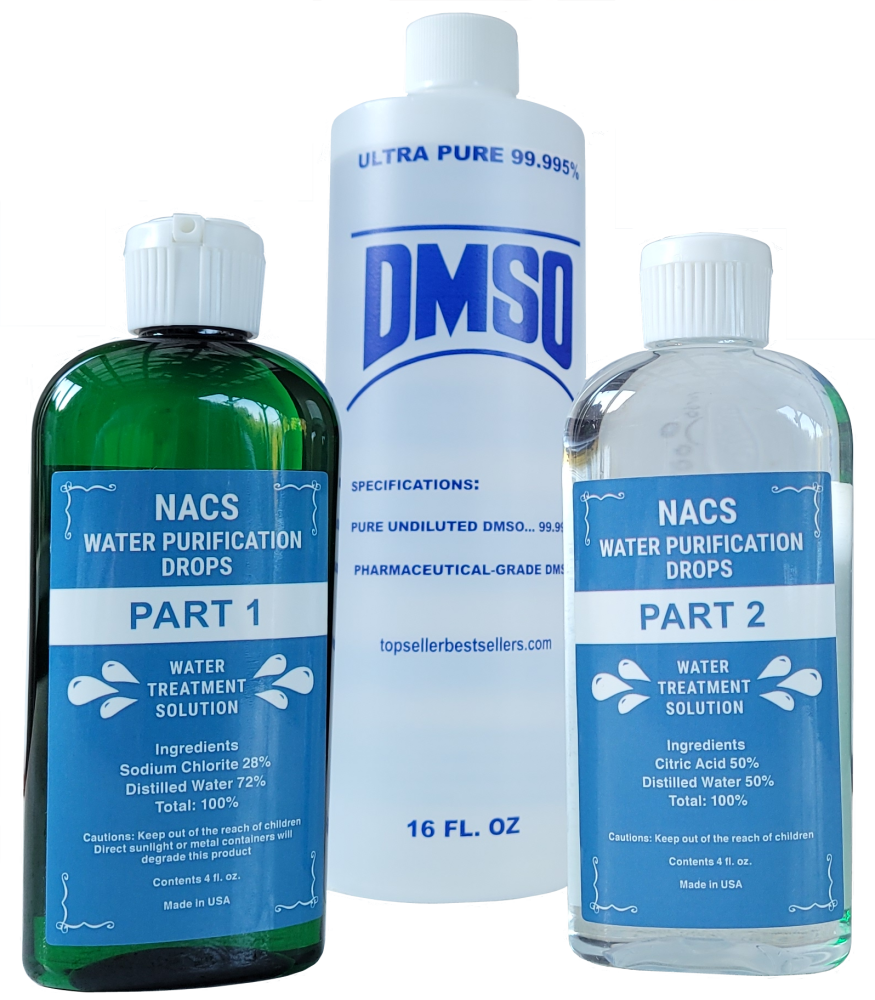
Part 2: Acid Activator (usually citric acid or hydrochloric acid)
Distilled water
A clean glass (preferably not metal)
🧪 The Process:
Start Small:
In a clean glass, mix one drop of Part 1 and one drop of Part 2. Swirl gently and wait about 30 seconds until the liquid turns amber and gives off a faint bleach-like scent (this is the activation of chlorine dioxide gas in solution).
Dilute:
Add 4 to 8 ounces of distilled water to the mix and drink.
Monitor How You Feel:
Wait and observe how your body responds over the next few hours. Most people report little to no discomfort at this ultra-low dose, but some notice mild detox effects (fatigue, loose stool, lightheadedness).
Gradual Increase:
If well-tolerated, steadily increase your intake up to 3 drops of each part per hour, for up to 8 to 10 hours per day, following protocols similar to those outlined by Jim Humble and others. Always increase slowly and listen to your body.
Track Your Results:
Are your symptoms improving? Is your energy returning? Is your digestion better? What’s changing in your overall health?
This test is not medical advice, and chlorine dioxide is not FDA-approved to treat any disease. You are responsible for your own research and decisions. Consult a knowledgeable practitioner if you are on medications or have a serious health condition.
💡 The Big Question: What If It Works?
What if that mystery fatigue lifts?
What if the “incurable” illness you’ve battled for years begins to reverse?
What if you suddenly realize you feel better than you’ve felt in decades?
That’s the story many are telling. Richards and others suggest that even if you don’t believe in alternative medicine, your own body may show you a different truth—if you’re willing to give it a try.
After all, $30 is a small price to pay for a possibility that could change your life.
Disclaimer: This article is for informational purposes only. It does not constitute medical advice. Always consult your licensed health practitioner before beginning any health regimen.
In recent years, Chlorine Dioxide Solution (CDS) has emerged as both a subject of intense debate and a beacon of hope in the world of alternative and integrative medicine. Often misunderstood and misrepresented in media and public discourse, CDS—a dilute aqueous form of chlorine dioxide gas—has been safely used in water purification and sanitation for decades. However, its proposed use in medical settings has drawn controversy, fueled by regulatory ambiguity, misinformation, and sensationalized reporting.
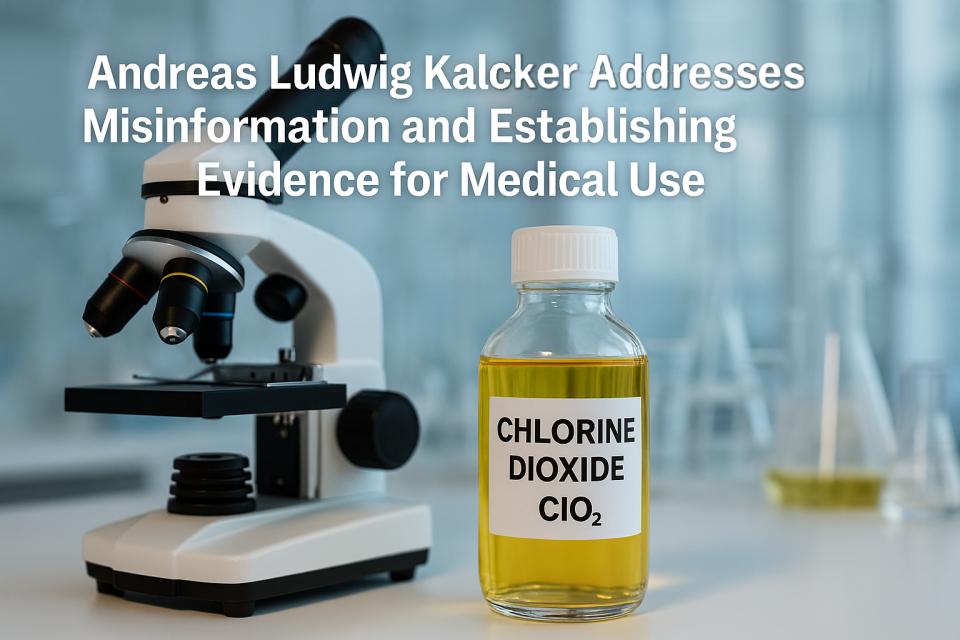
The following summary presents the findings of a peer-reviewed scientific review published in the International Journal of Multidisciplinary Research and Analysis (March 2025) by Dr. h.c. Andreas Ludwig Kalcker. Drawing from over 40 cited studies and real-world testimonies, the review separates myth from fact, highlights the scientific foundation of CDS, and argues for evidence-based evaluation rather than fear-driven dismissal. This overview aims to clarify the safety profile, documented antimicrobial power, and emerging therapeutic potential of CDS, especially at low concentrations below 1 mg/L, while calling for further clinical validation and responsible regulation.
This peer-reviewed article addresses the scientific foundation, safety, and therapeutic potential of Chlorine Dioxide Solution (CDS), while debunking common misinformation.
What is CDS?
CDS is a dilute, aqueous solution of chlorine dioxide (ClO₂) gas (typically <1 mg/L).
It is not the same as industrial bleach which contains sodium chlorite and can form harmful byproducts.
CDS is widely used in water purification and food processing due to its selective antimicrobial action and low toxicity at therapeutic doses.
Safety Profile:
EPA LD50 for ClO₂ is 292 mg/kg, which means toxicity would require impractical ingestion volumes (e.g., ~20 liters for a 70-kg adult).
Peer-reviewed studies (Ma et al., Ogata & Shibata, University of Almería) show no cytotoxic effects at therapeutic levels (0.3–0.8 mg/L).
CDS does not form harmful chlorite ions when used correctly.
The widely cited Neuquén, Argentina case (2020) falsely blamed CDS for a child’s death; autopsy evidence and expert testimony showed no causal link.
Proven Antimicrobial Efficacy:
Effective against bacteria (e.g., MRSA, E. coli), viruses (e.g., SARS-CoV-2, H1N1), fungi (e.g., Candida), and protozoa at low concentrations.
Demonstrated broad-spectrum disinfection without damaging human cells.
CDS is a size-selective oxidant, sparing healthy tissue while attacking pathogens.
Emerging Therapeutic Potential:
In vitro and anecdotal evidence suggest promise in treating cancer, Lyme disease, and viral infections:
Selective cancer cell apoptosis at 0.4–0.6 mg/L.
Borrelia (Lyme) inactivation and biofilm disruption.
SARS-CoV-2 spike protein neutralization in vitro.
Observational Testimonies:
Data from platforms like dioxitube.com and dioxipedia.com show 78% improvement in symptoms for various conditions (e.g., lupus, skin infections) at safe doses.
These testimonials, while not clinical trials, resemble the early public use of now-validated treatments like aspirin and penicillin.
Misinformation and Media Bias:
CDS is wrongly labeled as bleach (sodium hypochlorite) by the media and regulators.
Agencies like the FDA, WHO, and others issue non-dose-specific warnings, confusing CDS with toxic variants.
Public fear is driven by media distortion, not science.
Recommendations:
Public Education: Disseminate accurate, accessible info via platforms like dioxipedia.com.
Regulatory Reform: Create clear, form-specific, and dose-specific guidelines.
Clinical Trials: Invest in rigorous studies to validate therapeutic uses in cancer, Lyme disease, and viral infections.
Conclusion:
CDS, when used properly at therapeutic levels, is safe, effective, and potentially transformative for medicine. Misinformation and regulatory overreach hinder its responsible exploration. The article calls for transparency, scientific rigor, and open-minded investigation to realize the benefits of this underappreciated compound.
CDS remains safe and non-toxic at therapeutic concentrations (<1 mg/L), supported by studies from:
Ma et al. (2017) demonstrated safety in animal models.
Ogata and Shibata (2008) found no cytotoxic effects in human cells.
University of Almería (2020) – confirmed absence of adverse effects up to 1 mg/L.
Broad-spectrum antimicrobial efficacy is well documented:
Proven effective against bacteria (MRSA, antibiotic-resistant strains), viruses (e.g., SARS-CoV-2, rotavirus), fungi (Candida), and protozoa.
In vitro and real-world applications have shown significant promise in decontaminating clinical environments and reducing viral loads.
Therapeutic potential in chronic conditions:
Cancer: CDS induces selective apoptosis in cancer cells (e.g., small-cell lung, breast, colorectal).
Lyme disease: In vitro studies show Borrelia burgdorferi inactivation and biofilm disruption.
COVID-19: CDS appears to neutralize spike protein toxicity through redox mechanisms.
Real-world case reports and compassionate use studies (e.g., Fernández, Schwartz, Aparicio-Alonso) document remission or stabilization in cancer and infectious diseases.
Observational Testimonies and Anecdotal Evidence:
Data from dioxitube.com and dioxipedia.com reflect public-perceived benefits across various illnesses, most notably:
Skin conditions, lupus, infections, vaccine-related rashes, and necrotic wounds.
While not controlled clinical trials, these reports follow historical patterns seen in the early adoption of aspirin, digitalis, penicillin, and quinine—substances that were once dismissed before validation.
Public Education – Campaigns to clearly differentiate CDS from bleach using scientific platforms like Dioxipedia.
Regulatory Reform – Agencies like the FDA, WHO, and others should issue form- and dose-specific guidelines, reflecting scientific data rather than blanket warnings.
Investment in Clinical Trials – Urged to validate CDS’s use in cancer, Lyme disease, and viral infections, leveraging its redox selectivity and safety profile.
If validated by future studies, CDS could be “the biggest medical discovery of the century.”
Referenced Studies (Highlights):
Study
Focus
Key Finding
Georgiou & Kotzé (2023)
Bacterial Infections
Eradicated multiple drug-resistant bacteria with 0.6 mg/L CDS.
Kim et al. (2022)
Cancer
CDS induced apoptosis in small-cell lung cancer cells at 0.4 mg/L.
Schwartz (2022)
Lyme Disease
In vitro eradication of Borrelia at 0.5 mg/L.
Wang et al. (2021)
SARS-CoV-2
Virus inactivated at 0.8 mg/L CDS, outperforming sodium hypochlorite.
Ogata (2008)
Viral Protection
Low-dose ClO₂ gas protected mice from influenza.
Aparicio-Alonso (2024)
Clinical Cancer Cases
Compassionate CDS therapy showed tumor regression and improved outcomes.
El Fakir et al. (2023)
Spike Protein Toxicity
CDS neutralized COVID-19 spike protein toxicity in vitro.
Dozens of other citations reinforce CDS’s low toxicity, potent antimicrobial capacity, and therapeutic promise.
Final Thoughts:
The article ends by reiterating that CDS is scientifically distinct from harmful chlorine compounds, and at concentrations under 1 mg/L, it has never shown toxicity in legitimate studies. Its role in medicine should be evaluated through evidence-based investigation, not misinformation or fear.
The authors urge health leaders to shift the narrative from vilification to validation—so that this “safe, accessible, and potentially groundbreaking therapy” may be properly assessed and, if confirmed, ethically integrated into modern healthcare.
Resource:
Title:Clarifying the Science of Chlorine Dioxide Solution (CDS): Addressing Misinformation and Establishing Evidence for Medical Use Author: Dr. h.c. Andreas Ludwig Kalcker Journal: International Journal of Multidisciplinary Research and Analysis, Vol. 8, Issue 3, March 2025 Pages: 1367–1374 DOI: 10.47191/ijmra/v8-i03-54
Chlorine dioxide (ClO₂) is a gas that dissolves easily in water. It may sound scary because of the word “chlorine,” but chlorine dioxide is not the same as bleach. In fact, it’s much safer and way more powerful when used correctly. Let’s break it down simply so you can see why so many scientists, doctors, and researchers believe chlorine dioxide is one of Earth’s best, safest, and fastest natural disinfectants.
💥 What Can Chlorine Dioxide Kill?
Chlorine dioxide kills almost all types of germs in just seconds to minutes, including:
Bacteria (like E. coli, Staph, and Listeria)
Viruses (like Norovirus, Hepatitis A & C, Influenza A, HIV, HPV, and even Rotavirus)
Fungi and Yeasts
Spores (takes a little longer, but it works!)
It even works on the toughest hospital germs like Acinetobacter baumannii and Mycobacterium smegmatis—some of the hardest bugs to kill.
Chlorine dioxide doesn’t work by poison. It oxidizes, which is like a safe burn that breaks apart germs on a molecular level. Think of it as a smart cleaner that knows what to destroy and what to leave alone.
Bacteria: It stops them from breathing and multiplying.
Fungi: It breaks open their cell walls.
Viruses: It destroys the proteins and genetic material they need to infect your body.
It avoids hurting healthy cells. That’s one of the most amazing parts!
🐭 What About Safety?
In a lab study with mice (who are more sensitive than humans), chlorine dioxide was added to their drinking water in amounts from 5 to 40 parts per million (PPM). Results:
Killed almost all bacteria and fungi.
No damage to the lungs, eyes, or other organs.
Even 40 PPM was safe!
This shows chlorine dioxide is non-toxic at the levels used to clean or even help the body.
🧪 Study Example: Mice vs. Influenza
In a 2008 study, 10 mice were exposed to influenza A virus and chlorine dioxide gas at the same time for just 15 minutes. Another group of 10 mice got only the flu virus.
Result? 0 out of 10 mice died in the chlorine dioxide group.
But 7 out of 10 died in the flu-only group.
That’s a 100% survival rate for the chlorine dioxide group—at a super low dose of just 0.03 PPM!
🌍 NASA Once Called It “A Universal Antidote”
Back in 1988, NASA praised chlorine dioxide in an official report. They said it could:
Kill mold, bacteria, and viruses
Be safe for humans, animals, and plants
Help with wound healing
Reduce scars
Treat skin problems and even some sexually transmitted diseases like herpes
Sadly, NASA and other agencies stopped talking about it much after that, even though the science still supports its safety and power.
🛡️ More Healing Superpowers
Studies show chlorine dioxide does even more for the body:
✅ Fights inflammation
✅ Helps wounds heal faster
✅ Stops scar tissue from forming
✅ Reduces plaque in your mouth
✅ Fights oral yeast infections (thrush)
✅ Gets rid of body odor
✅ Might help with cancer (in lab and animal studies)
And all this without harming healthy human cells.
⚖️ Chlorine Dioxide Balances the Human Body
Chlorine dioxide works smart:
It targets harmful germs (low ORP) but leaves healthy cells alone (higher ORP).
It also reduces dangerous free radicals in the body, turning them into harmless water.
Think of it as a two-way superhero: one side fights germs, and the other protects your cells.
🔬 What Happens in the Blood?
According to scientists who study blood under a microscope:
Chlorine dioxide makes blood less acidic.
Increases oxygen in the blood.
Decreases lactic acid, a waste that builds up in sick or tired cells.
Helps the blood cells spread out, so they carry oxygen better.
➤ The Disclosure of Chlorine Dioxide Health Benefits
Jim Humble first disclosed his findings about the health benefits of chlorine dioxide in 1996. He nicknamed it MMS, short for Master Mineral Solution, and began promoting its use for various health conditions.
Most Accepted and Adapted Protocols
The following protocols are based on chlorine dioxide made from a two-part kit consisting of dilutions of sodium chlorite and citric acid in one-drop to one-drop ratios, allowing for activation (approximately 30 to 40 seconds), then adding at least four ounces of water to drink (24 PPM).
This is a very brief overview, please do not conduct these protocols before thoroughly studying complete information found in books by the Humbles, and never conduct any regimen without the authorization of your natural healthcare professional.
💡 More Amazing Effects:
Some researchers have noticed these benefits:
Healthier immune cells called macrophages switch from “attack mode” (inflammation) to “healing mode.”
Protects red blood cells from stress.
Helps antioxidant enzymes like glutathione and catalase do their job better.
Boosts natural detox systems in the body.
This means it might help people with autoimmune diseases or inflammation-based problems like ALS or long COVID.
⚠️ Why the Controversy?
Some health agencies call chlorine dioxide “bleach,” but that’s misleading.
Bleach = sodium hypochlorite (toxic)
Chlorine dioxide ≠ bleach (different molecule, different action)
In fact, chlorine dioxide is 10x more powerful against viruses than bleach—and far safer when used in the right way.
✨ Why You Haven’t Heard More About It
The truth is, chlorine dioxide works so well on so many things that it threatens big industries: pharmaceuticals, cleaning supplies, even hospitals.
So, human studies have been limited, not because it doesn’t work, but because research has been suppressed.
✅ Safe in proper doses
✅ One of the fastest-acting disinfectants on Earth
✅ Effective against almost all known germs
✅ Helpful in fighting inflammation and promoting healing
✅ Backed by studies in labs, animals, and even early human use
✅ Still not getting the recognition it deserves
It’s no wonder some call it the “Universal Antidote.”
Chlorine dioxide has emerged as a powerful tool for addressing parasitic infections and restoring health in individuals. Despite its controversial reputation, its ability to eliminate a broad spectrum of pathogens makes it a promising solution for combating parasites, which are often overlooked as the root cause of chronic illness. There is science behind chlorine dioxide and its benefits. Hundreds of thousands verify practical protocols for its safe use, so let’s see why it holds such radical potential as a health-restorative compound.
Understanding Parasites: A Hidden Health Challenge
Modern medicine frequently neglects to address parasites as a root cause, focusing instead on managing symptoms—often a more lucrative approach. However, addressing parasites directly can pave the way for significant health improvements.
Chlorine Dioxide: A Potent Anti-Parasitic Agent
Chlorine dioxide is a chemical compound widely used in water purification for its powerful oxidizing properties. It works by breaking down the cellular structure of harmful microorganisms, including bacteria, viruses, fungi, and parasites. Unlike many traditional treatments, chlorine dioxide selectively targets harmful organisms while sparing beneficial microbes when used appropriately.
Key Benefits of Chlorine Dioxide:
Efficient Pathogen Elimination – Effective against a broad range of harmful organisms.
Accessibility – Readily available as water purification drops in outdoor and camping stores.
Affordability – A cost-effective alternative to pharmaceuticals.
Proven Safety – Anecdotal evidence suggests it is safe when used responsibly.
Chlorine dioxide works by oxidizing harmful organisms, effectively neutralizing them without damaging surrounding healthy tissues or organisms. This makes it particularly effective for combating parasites, whose survival depends on their ability to evade the immune system.
Paris Humble, author of Healthy Alternative Chlorine Dioxide Uses Non-pharmacological Health Restoration, describes chlorine dioxide as a “potent killer of parasites and pathogens globally.” It has been employed commercially in food processing to eliminate fungi, molds, E. coli, and a variety of bacteria and viruses. Without chlorine dioxide, instances of foodborne illnesses would be far more prevalent.
Humble also highlights its effectiveness in purifying water in any non-metallic container, including the human body, to eliminate harmful organisms safely and effectively.
A Practical Protocol: The Three-Week Parasite Cleanse
For those seeking to use chlorine dioxide to combat parasites, the three-week parasite cleanse protocol is a structured and effective regimen:
Start Slow: Begin with 1 activated drop per hour, diluted in 4 ounces of water, for 8 hours daily.
Increase Gradually: Over several days, increase the dose to 3 activated drops per hour.
Maintain Consistency: Continue the regimen for 21 consecutive days to ensure the elimination of most parasites and pathogens.
Maintenance Dose: If unable to complete the protocol, take 4-5 activated drops twice daily to prevent parasites from regaining a foothold.
This method has been widely used by those combating parasites and other pathogens, with anecdotal evidence in the hundreds of thousands attesting to its effectiveness.
Enhancing the Cleanse: Natural Remedies
Incorporating complementary remedies alongside chlorine dioxide can enhance the efficacy of the cleanse.
Wayne Rowland, author of Worms Are Killing You!, recommends combining chlorine dioxide with colloidal Silver Water and complimenting parasitic assault using:
Black walnut – Effective against intestinal parasites.
Wormwood – Traditionally used for deworming.
Garlic – A natural antibacterial and antiparasitic agent.
Diatomaceous earth – Dehydrates and kills parasites.
Pumpkin seeds – Paralyzes worms, making them easier to expel.
He also emphasizes the importance of gut health. Rebuilding the microbiome with probiotics, fermented foods, and prebiotics is critical for long-term health. Rowland makes this easily manageable by suggesting particular supplementation.
Safety Guidelines and Best Practices
Safety is paramount when using chlorine dioxide. Follow these best practices:
Use Proper Dosage: Always start with a low dose and increase gradually.
Monitor for Reactions: Temporary die-off symptoms (nausea, fatigue, headaches) are common but usually subside. Reduce the dose if reactions become severe.
Separate from Colloidal Silver Water: If using colloidal Silver Water, allow 1.5 to 2 hours between doses to prevent chlorine dioxide from neutralizing the silver.
Consult a Natural Healthcare Provider: Seek advice from professionals experienced in non-traditional treatments.
Advanced Cleansing: Chlorine Dioxide and DMSO
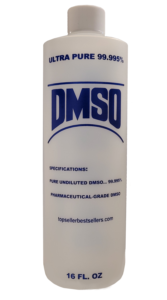
For resilient parasites, such as spirochetes, adding DMSO (dimethyl sulfoxide) can enhance the effectiveness of chlorine dioxide.
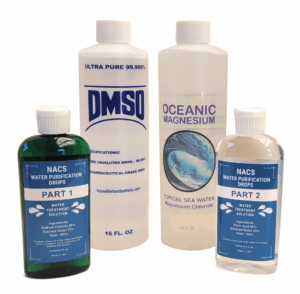
Internal Use: Add 1 teaspoon of DMSO to a standard chlorine dioxide dose.
Topical Use: Apply a 50/50 mixture of chlorine dioxide and DMSO to target specific areas of the skin.
This combination amplifies the compound’s ability to penetrate tissues and target parasites.
Importance of Addressing Parasites
Parasites are more than a nuisance; they are a hidden epidemic that contributes to numerous chronic illnesses. By eliminating parasites, individuals can restore their health, boost immunity, and reduce the toxic burden on their bodies.
Chlorine dioxide provides a powerful, accessible, and cost-effective option for addressing this hidden health challenge. While additional scientific studies are needed to validate its use further, anecdotal evidence and personal testimonies highlight its transformative potential.
Using Chlorine Dioxide to Defeat Parasites
While the use of chlorine dioxide remains controversial, its efficacy as a pathogen eliminator cannot be denied. Advocates like Paris Humble and Jim Humble have championed its benefits for decades, offering protocols and resources to educate those seeking alternative health solutions.
Individuals considering this approach should conduct thorough research, consult natural healthcare providers, and approach its use responsibly. With proper protocols and a holistic health regimen, chlorine dioxide offers hope for addressing parasites and reclaiming vitality.
By targeting the root causes of illness, such as parasites, individuals can take proactive steps toward lasting health and well-being. ~ Herb Roi Richards
In the world of alternative medicine, chlorine dioxide—often referred to as MMS (Miracle Mineral Solution)—has captured attention for its claimed therapeutic benefits. Proponents advocate its ability to combat a wide range of diseases, from cancer to chronic infections, all while costing a fraction of conventional treatments. This guide delves into the mechanisms, applications, and protocols surrounding chlorine dioxide, shedding light on its potential role as an alternative to traditional prescription therapies.
Chlorine dioxide’s therapeutic reputation comes from its unique ability to target and neutralize harmful pathogens. It oxidizes non-health-promoting cells, including reckless cancer cells, parasites, and microorganisms, effectively “disabling” them and allowing the body to clear them out. Advocates suggest that this cleansing enables the immune system to focus on rebuilding healthy cells and restoring balance.
For cancer patients, chlorine dioxide is often paired with dimethylsulfoxide (DMSO), which enhances its absorption and distribution in the body. This combination is reported to form a powerful protocol that some believe has helped achieve transformative results. Beyond cancer, chlorine dioxide’s versatility extends to tackling influenza, colds, and a host of infectious and degenerative diseases.
How Chlorine Dioxide Works in the Body
Chlorine dioxide functions as an oxidizing agent, targeting pathogens with precision. When ingested or applied, it works by breaking down harmful microorganisms, akin to causing them to “burst.”
This unique oxidative mechanism allows chlorine dioxide to:
Neutralize a range of pathogens – viruses, bacteria, fungi, parasites, and protozoans.
Spare healthy cells – Unlike some pharmaceuticals, chlorine dioxide selectively targets pathogens. It leaves healthy cells, which have a higher pH level (above 7), unharmed. Cancerous cells, which are more acidic, are particularly susceptible to its effects.
Detoxify the body – The oxidation process helps remove dead pathogens, toxins, and metabolic waste, fostering an environment conducive to healing.
Administration of Chlorine Dioxide Solution (CDS) or MMS
There are several ways to administer chlorine dioxide:
Orally: A carefully measured dose is mixed with water.
Transdermally: Paired with DMSO, the solution can be absorbed through the skin, bypassing the digestive system.
Topically: For localized infections or wounds, chlorine dioxide can be applied to disinfect and promote healing.
How to Prepare Chlorine Dioxide (MMS)
Preparing chlorine dioxide at home involves two components:
Sodium chlorite solution (Part 1).
An activator, such as citric acid or hydrochloric acid (Part 2).
Step-by-Step Preparation
Mix an equal number of drops of sodium chlorite and the activator in a clean, dry glass.
Swirl the mixture and allow it to activate for 30 seconds.
Add 4 ounces of distilled or purified water.
The solution is now ready for use.
Dosage Guidelines
For beginners, starting with a low dose is key. Gradual increases allow the body to adjust and minimize detox reactions.
Initial Dosage: 6-8 activated drops of MMS mixed with 18-24 drops of DMSO, taken once per hour for two hours. Maintenance Dosage: 3 activated drops (with 9 drops of DMSO) hourly until symptoms subside.
It is crucial to monitor your body’s reaction, as excessive detoxification can cause temporary flu-like symptoms.
Chlorine Dioxide and Detoxification
Detoxification is a central aspect of using chlorine dioxide. As the solution oxidizes harmful pathogens, the body purges the resulting waste. This process may lead to mild discomfort, such as fatigue or mild flu-like symptoms, signaling the removal of toxins.
Proponents emphasize the importance of a slow, measured approach to dosing, allowing the body to gradually adapt and effectively eliminate the buildup of toxins.
Applications and Therapeutic Potential
Chlorine dioxide has been reported to address a wide spectrum of conditions, including:
Cancer: Paired with DMSO, it targets cancer cells while sparing healthy ones.
Infectious diseases: Influenza, Lyme disease, malaria, MRSA, and herpes.
Chronic conditions: Psoriasis, multiple sclerosis, and diabetes.
Autism: Anecdotal evidence suggests its potential in reducing certain symptoms of autism, although this remains highly controversial.
Mechanism of Action
Chlorine dioxide works by accepting electrons from pathogens, effectively neutralizing them. This selective mechanism is believed to stem from the acidic nature of harmful cells, which are more vulnerable to oxidation compared to the body’s healthy, alkaline cells.
What to Avoid During Treatment
Certain substances can interfere with chlorine dioxide’s effectiveness:
Vitamin C: Its antioxidant properties neutralize chlorine dioxide. Take vitamin C at least 30 minutes before or after your dose.
Antioxidants: Similar to vitamin C, other antioxidants may reduce its effectiveness.
Alternative medicines: Avoid products like Protocel during chlorine dioxide protocols.
Safety Considerations
While chlorine dioxide has been hailed as a transformative solution by some, it remains a contentious topic in the medical community. Regulatory bodies, such as the FDA, have issued warnings about its use, citing potential risks like nausea, diarrhea, and toxicity when consumed improperly.
Best Practices for Safe Usage
Start low and go slow: Begin with small doses and gradually increase.
Monitor detox symptoms: Temporary discomfort may indicate effective detoxification but should not be extreme.
Seek guidance: Work with a healthcare professional experienced in alternative therapies.
Resources for Learning More
For those interested in exploring chlorine dioxide further, the following books provide in-depth guidance:
Jim Humble’s daughter offers a comprehensive look at the science and application of chlorine dioxide.
The Bottom Line
Chlorine dioxide represents an affordable, versatile tool in the realm of alternative medicine. Its potential to combat pathogens, detoxify the body, and selectively target harmful cells has garnered both enthusiasm and skepticism.
While it’s not a one-size-fits-all solution, many patients have reported transformative results using chlorine dioxide for conditions that conventional medicine struggled to address. However, caution is crucial. Proper dosing, gradual introduction, and professional guidance can ensure a safer and more effective experience.
For those seeking an alternative to high-cost prescription therapies, chlorine dioxide offers a compelling option worth exploring. Its unique mechanism of action and broad-spectrum applications make it a fascinating addition to the toolkit of alternative medicine. As with any treatment, education and responsible use are key.
Chlorine dioxide (ClO₂) is a simple yet powerful molecule composed of chlorine and oxygen, two of the most disinfectant elements found in nature. Its effectiveness as a selective oxidant has been recognized for over 170 years, and its applications span water treatment, healthcare, environmental protection, and more. Discovered in 1811 by Sir Humphry Davy, ClO₂ continues to play a pivotal role in protecting public health and ensuring environmental safety.
The Origins and Chemistry of Chlorine Dioxide
Humphry Davy first identified chlorine dioxide in 1811 by mixing potassium chlorate and sulfuric acid. Initially named “euchlorine,” this greenish-yellow gas has a pungent odor and is 2.4 times denser than air. It dissolves easily in water, making it versatile in various applications, yet it does not react with water chemically.
One of its unique properties is its one-electron transfer mechanism, which makes ClO₂ an extremely selective oxidant. Unlike chlorine, which indiscriminately binds to molecules, ClO₂ targets electron-rich areas in pathogens, breaking down their cellular structures without forming many harmful byproducts.
History of Use
The use of chlorine dioxide dates back to Europe in the mid-19th century when it was introduced for water treatment. Its popularity grew due to its efficiency and lower risk of harmful side effects compared to chlorine. By the 20th century, ClO₂ became a key player in industries such as:
Paper and Pulp Bleaching: Used to whiten cellulose while minimizing environmental harm.
Water Treatment: Preferred for municipal water systems because it doesn’t produce carcinogenic trihalomethanes (THMs) that chlorine does.
Food Safety: Employed to disinfect surfaces and control microbial growth in food processing and packaging.
Versatile Applications
Chlorine dioxide’s flexibility has made it indispensable in numerous industries:
Healthcare:
Used to disinfect hospital rooms, ambulances, and medical equipment.
Proven effective in neutralizing anthrax spores in contaminated buildings.
Recently applied in air disinfection during the COVID-19 pandemic, with positive results reported by the Global Health and Life Coalition (GHLC).
Water Treatment:
Preferred over chlorine for treating municipal and industrial wastewater.
Capable of removing unpleasant odors and tastes, as well as contaminants like iron and manganese.
Effective at high pH levels, maintaining its disinfecting power regardless of water acidity or alkalinity.
Food and Agriculture:
Safeguards food processing facilities and extends the shelf life of perishable goods.
Applied in the dairy, beverage, and poultry industries to control microbial contamination.
Environmental and Industrial Use:
Treats wastewater and removes pharmaceutical residues, steroid estrogens, and other pollutants.
Fights airborne pathogens in poultry farms, improving animal health and reducing human exposure to harmful bacteria.
Mechanisms of Action
Chlorine dioxide stands out for its selective oxidation process, which allows it to neutralize harmful pathogens without harming healthy cells. This process involves:
Disrupting Membranes: ClO₂ increases the permeability of bacterial membranes, leading to the release of vital components like enzymes and nucleic acids.
Inactivating Viruses: It oxidizes proteins and lipids, particularly those essential for virus binding and replication. For example, it suppresses the functionality of influenza virus proteins, rendering them unable to infect cells.
Preventing Resistance: Its mechanism of action is fundamental enough to inhibit the development of resistant strains of bacteria and yeast, a growing concern in modern medicine.
Safety Profile
Despite concerns about chemical disinfectants, chlorine dioxide has been shown to be safe when used correctly. Key studies highlight its minimal impact on human and animal health:
A 1981 epidemiological study in the U.S. evaluated the effects of consuming water treated with ClO₂ at concentrations of about 5 ppm. Blood samples and health data from over 300 participants revealed no adverse effects over a 115-day period.
Its byproducts, such as chlorite ions, are negligible compared to naturally occurring levels in human plasma, further supporting its safety.
Benefits Over Traditional Chlorine
Chlorine dioxide offers several advantages over chlorine in disinfection:
Reduced Byproducts: ClO₂ does not form harmful trihalomethanes or dioxins, which are associated with chlorine use.
Consistency Across pH Levels: Its effectiveness does not wane in high-pH environments, making it reliable in varied conditions.
Selective Oxidation: Targets pathogens while sparing beneficial organisms and reducing the risk of toxic chemical reactions.
Emerging Applications and Research
As the scientific community continues to explore ClO₂, new applications are emerging:
COVID-19 and Airborne Pathogens:
Used successfully during the pandemic to disinfect air and surfaces in healthcare and public spaces.
Found effective against common airborne pathogens like Escherichia coli and Salmonella in high-density environments.
Pharmaceutical Contaminant Removal:
ClO₂ can oxidize and neutralize pharmaceutical residues like diclofenac and tetracyclines in wastewater, offering a solution to environmental pollution.
Virus Inactivation:
Capable of inactivating viruses up to 99.99% in water and other media, demonstrating potential as a tool in public health.
Responsible Use: The Role of Dose
As with any substance, the dose determines its safety and efficacy. ClO₂ must be used within established guidelines to maximize its benefits while minimizing risks. Therapeutic Drug Monitoring (TDM) and similar practices help ensure that concentrations remain within safe limits for human and environmental applications.
Chlorine dioxide is a versatile, powerful, and relatively safe disinfectant with a rich history of improving public health. From water purification to combating infectious diseases, its applications are vast and continue to grow. While further research is needed to unlock its full potential, ClO₂ has already proven itself as an invaluable tool in our efforts to create cleaner, safer environments. As long as it is used responsibly, chlorine dioxide remains a beacon of hope for innovation in sanitation and health.
MMS, or Master Mineral Solution, is a sodium chlorite solution activated with an acid to produce chlorine dioxide, a compound known for its antimicrobial and oxidative properties. It has been widely used for various health purposes under the protocols introduced by Jim Humble and others. This guide explains the basics of MMS and the differences in solution quality, storage recommendations, activation methods, and usage protocols.
Understanding the Composition and Quality of MMS
Sodium Chlorite Concentration: MMS solutions are typically available in concentrations of 22.4% to 28% sodium chlorite.
Purity Matters:
Higher purity solutions (e.g., 22.4%–22.5%) contain fewer impurities and are equivalent in efficacy to technical-grade 28% solutions, which often include up to 20% additives from the manufacturing process.
Sensitive users may find purer solutions more suitable.
Storage Recommendations:
Use glass or PE (polyethylene) bottles for storage.
Avoid PET bottles, as they are not suitable for MMS storage.
Chlorine dioxide, commonly referred to as MMS, is a powerful solution that, when used correctly, can offer significant benefits. Following the recommended activation, dosage, and protocol guidelines ensures its effectiveness and minimizes side effects. For those who are critically ill, Jim Humble’s new protocol is the preferred choice, while others may find the old standard or 6+6 protocol suitable. Proper storage, preparation and mindful consumption can help users safely incorporate MMS into their health regimen.
Chlorine dioxide is most widely known as a water purifier, but people around the world are discovering that it has many other uses. Natural alternative specialists, homeopathic practitioners, caring parents, and even emergency first aid teams keep it in their cupboards, not only for clean drinking water, but also for a wide range of health challenges. Here are ten conditions where chlorine dioxide has been applied as a home remedy, along with explanations and simple approaches that are often used.
Urinary Tract Infection (UTI)
The condition: UTIs cause burning urination, pelvic pain, and frequent urges to go. They are usually bacterial in nature. How chlorine dioxide may help: Its strong oxidizing action destroys bacteria while leaving healthy cells intact. Simple protocol: A few drops of diluted chlorine dioxide solution are taken orally several times a day in water, along with increased hydration, until symptoms subside.
Anxiety
The condition: Anxiety brings feelings of nervousness, restlessness, or fear. How chlorine dioxide may help: Many report that by reducing toxic load and balancing the body’s inner environment, it can promote a calmer state. Simple protocol: Small, diluted oral doses are taken throughout the day (sometimes called “micro-dosing”), often paired with breathing exercises or meditation.
Toothache
The condition: Toothaches stem from infection, decay, or irritation of the nerve inside the tooth. How chlorine dioxide may help: As a topical antimicrobial rinse, it targets bacteria that cause swelling and pain. Simple protocol: A few activated drops are diluted in water and swished as a mouth rinse for 30–60 seconds, two or three times a day.
Vaginal Dryness
The condition: This often results from hormonal shifts or irritation, causing discomfort and pain. How chlorine dioxide may help: A mild solution can help cleanse tissues, balance bacteria, and reduce irritation. Simple protocol: A very diluted rinse is sometimes applied externally or as a gentle wash, always with great care to avoid strong concentrations.
Itchy Scalp
The condition: Dandruff, fungal infections, or clogged follicles can leave the scalp irritated and itchy. How chlorine dioxide may help: It removes buildup, fights yeast or bacteria, and refreshes skin. Simple protocol: A few drops in water are massaged into the scalp, then rinsed after a few minutes, repeated every few days.
High Blood Pressure
The condition: Hypertension increases the risk of heart attack, stroke, and kidney disease. How chlorine dioxide may help: By oxidizing toxins and supporting better blood flow, some have reported stabilization of blood pressure. Simple protocol: Diluted oral drops are taken in small amounts throughout the day while also following a healthy diet low in salt and rich in magnesium and potassium.
Constipation
The condition: Infrequent or difficult bowel movements can cause bloating and pain. How chlorine dioxide may help: It clears harmful bacteria and may stimulate natural bowel motility. Simple protocol: A few diluted oral doses are taken in water daily until bowel movements normalize. Adequate hydration is essential.
Acid Reflux
The condition: When stomach acid flows back into the esophagus, it causes heartburn and discomfort. How chlorine dioxide may help: By reducing microbial overgrowth and improving digestion, it lessens triggers for reflux. Simple protocol: Low-dose drops in water are taken before meals to support digestion and reduce acid irritation.
Plantar Fasciitis
The condition: Inflammation of the thick tissue on the bottom of the foot, causing stabbing heel pain. How chlorine dioxide may help: Used topically, it may reduce microbial load and inflammation around the fascia. Simple protocol: A diluted solution is applied with a cloth or foot soak once daily until symptoms improve, alongside stretching exercises.
Sleep Apnea
The condition: Interrupted breathing during sleep, often linked to inflammation or infections in the airway. How chlorine dioxide may help: By cleansing microbial buildup in the mouth and throat, it may support clearer breathing at night. Simple protocol: A diluted rinse is used as a gargle before bedtime to help reduce throat irritation and blockage.
Chlorine dioxide has earned a reputation as a versatile home remedy—far beyond its original role in water purification. By working as a selective oxidizer, it eliminates harmful pathogens while supporting the body’s natural balance.
While countless individuals report success with these approaches, it’s important to remember that chlorine dioxide is not yet recognized by mainstream medicine. Anyone considering its use should research carefully, use only properly diluted solutions, and listen to their own body.
Chlorine dioxide (CD) has been a topic of growing interest and debate, with proponents hailing it as a powerful remedy for various health issues. Often referred to as Master Mineral Solution (MMS), chlorine dioxide is praised for its potential in treating infections and other health conditions where conventional treatments have fallen short. However, its use remains controversial, and it’s essential to evaluate this compound’s safety and efficacy carefully.
What is Chlorine Dioxide?
Chlorine dioxide is a chemical compound with the formula ClO₂. It is a potent oxidizing agent used primarily for its disinfectant properties. Unlike chlorine bleach, a strong oxidizer that can form harmful by-products, chlorine dioxide does not produce carcinogenic chlorinated organics. This distinct chemical behavior makes it useful in various applications, including water purification and surface disinfection.
Approved Uses and Safety of Chlorine Dioxide
Chlorine dioxide has a well-established record of safety in specific applications. The FDA has approved its use as an antimicrobial agent in treating poultry, fruits, vegetables, red meat, seafood, and bottled water. The Environmental Protection Agency (EPA) also endorses its use for water purification. The World Health Organization (WHO) also supports its application in treating and purifying water.
In practical scenarios, chlorine dioxide has been used to address contamination issues, such as mold in the aftermath of hurricanes and anthrax contamination in high-profile incidents like the 2001 Capitol Hill scare. Despite its use in these contexts, it’s crucial to distinguish between its application as a disinfectant and its use as a health treatment.
Selective Action of Chlorine Dioxide
One of the compelling aspects of chlorine dioxide is its selective action. Chlorine dioxide (CD) is an oxidizer, targeting pathogens without significantly affecting healthy cells. This is because CD reacts with acidic, positively charged ions found on pathogens, leading to a breakdown of their structure. Research has shown that CD can effectively oxidize viral proteins, including those on SARS-CoV-2, the virus responsible for COVID-19.
This oxidative action means CD can destroy harmful microorganisms by disrupting and eliminating their proteins. Importantly, CD only activates upon contact with specific conditions found in pathogens, reducing the risk of harm to healthy cells with a neutral or slightly alkaline pH.
Safety and Misconceptions Re: Chlorine Dioxide
The safety of chlorine dioxide, particularly in medical or therapeutic contexts, is debated, especially in uses where the FDA prohibits it. While chlorine dioxide (CD) has been used effectively for water purification and as an antimicrobial agent, its use as a health treatment is not without controversy.
The New York Medical Authorities have restricted its use outside of medical supervision, authorizing it only for terminally ill patients who have exhausted all other treatment options. Authorities claim this caution is due to federal regulations, the potential risks associated with improper dosing, and the need for careful administration to avoid adverse effects.
Despite its approval for specific uses, CD is sometimes called “industrial bleach,” which can be misleading. While chlorine dioxide and bleach contain chlorine, their chemical properties and effects differ significantly. Chlorine dioxide does not form harmful chlorinated organics like bleach does and is designed to break down into compounds that are not harmful.
Studies and Applications Re: Chlorine Dioxide
Numerous studies have explored the potential benefits of chlorine dioxide (CD) in various health contexts. For example, research has indicated that CD can effectively treat conditions like malaria, typhoid fever, and HIV. It has also been used successfully in treating skin conditions such as eczema, psoriasis, and acne.
Chlorine dioxide has shown promise in clinical settings for improving symptoms in COVID-19 patients, with reports of significant improvements within 48 hours. However, such claims should be approached skeptically, and reliance on peer-reviewed research and professional medical consultation is advised.
Proper protocols are crucial to ensure safety and efficacy for those interested in using chlorine dioxide. Chlorine dioxide (CD) is typically prepared by mixing drop(s) of sodium chlorite with an equal number of drop(s) of an activator such as citric acid and allowing it to “activate” for 30 seconds. This mixture is then diluted with water for consumption.
It is advisable to start with a low drop dose and gradually increase as tolerated. The recommended dosage varies depending on the addressed condition and the individual’s response. CD can also be used in other forms, such as in a humidifier for respiratory issues, ear drops for infections, or baths for skin conditions.
Precautions and Considerations
Dosage: Proper dosing is crucial. High doses can be harmful and should be avoided. Chlorine dioxide (CD) should be used according to established protocols and under professional guidance.
Interactions: Avoid combining CD with vitamin C or other antioxidants, as they can neutralize its effectiveness.
Medical Supervision: Always use CD under the supervision of a qualified healthcare professional, especially for therapeutic purposes.
Quality and Preparation: Use high-quality products and prepare chlorine dioxide before use to ensure its effectiveness and safety.
Chlorine dioxide has demonstrated notable efficacy as a disinfectant and antimicrobial agent. Its potential as a therapeutic tool for various health conditions is an area of ongoing research and debate. While some studies suggest it may offer benefits for treating infections and other ailments, its use should be cautiously approached. Always consult with natural healthcare professionals and rely on evidence-based practices when considering any new treatment options. Chlorine dioxide’s safety and effectiveness continue evolving, and staying informed is vital to responsible health decisions.